Cross country running can make you a better marathon runner
By Fraser Clyne
In 1984 Portugal's Carlos Lopes won the senior men's title in the IAAF world cross country championships at the Meadowlands racecourse in New Jersey. He finished five seconds ahead of England's Tim Hutchings while Welshman Steve Jones was a further seven seconds behind in the bronze medal position at the end of the 12Km race.
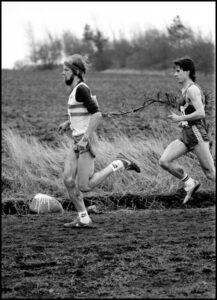
It was something of a golden era for British distance running with athletes from this country enjoying massive success all over the world. No fewer than 75 British men broke the 2hr 20min mark for the marathon that year.
We are so used to Kenyans and Ethiopians dominating distance running races nowadays, but back then the first Kenyan in the world cross country championships, Wilson Waigwa, was fifth, and the leading Ethiopian, Bekele Debele, was eighth.
I should admit that I was also there that day but, whisper it, I finished 149th from a field of 250. At least I had the excuse of suffering from some horrendous respiratory infection picked up on the transatlantic flight when, for some crazy reason, we were booked into the smoking section of the aircraft (back in the barbaric days when smoking was permitted on long haul flights).
Four months later Lopes went on to win the Olympic Games marathon in Los Angeles in 2hr 9min 21sec and a couple of months after that Jones set a new world marathon record of 2:08:05 in Chicago. These guys obviously saw the benefits of competing in cross country races over the winter months and by doing so they knew they were building in the strength and stamina which would help them produce top class marathon performances later in the year. You can't do much better than win an Olympic gold or set a world record. (Incidentally, Hutchings finished fifth in the 5,000m at the Los Angeles Olympics that summer).
There are plenty of other examples to back up the belief that regular cross country running can enhance marathon performances. While Steve Jones still holds the British men's marathon record, Paula Radcliffe is the women's record holder. And she was a regular cross country runner for much of her career, enjoying a lot of success in this branch of the sport, winning three gold medals, three silver and one bronze at the world championships between 1992 and 2002.
Radcliffe prepared for her marathon debut at London in April 2002 by winning the world cross country title in Dublin three weeks earlier. At London Radcliffe ran 2:18:55 which was a course record at the time and just nine seconds outside the then world record. The following year, again at London, she set the current world record of 2:15:25.
My own experience, and that of many other marathon runners of my generation, concurs with that. In most of my best marathon running years I competed regularly in cross country races during the winter. My first overseas marathon win, at Oakland in California, came bang in the middle of a cross country season.
Cross country racing combined with off-road and trail running training certainly helped me become a better marathon runner. Apart from anything else, it offers something different to focus on over the long winter months when road racing opportunities are far fewer than during the spring, summer and autumn. It’s also quite good simply to do something different from running on the roads. Also, there’s no pressure to chase a time. Races are often held over unusual distances so the time isn’t really relevant. It’s just you against the countryside….. and the other people in the race. Forget about the watch.
There are, however, even more tangible benefits. Running over softer ground has a less damaging impact on your body, so reduces the chance of injury. The uneven surfaces and constant changes of terrain help to strengthen your feet, ankles, tendons and ligaments by making them work more effectively. Running through soft, muddy trails and up and down hills also helps strengthen your calves, hamstrings and quads. All of this not only makes you stronger and less injury prone, it also translates into improved balance and running style.
There's also the psychological benefit and satisfaction from successfully completing a tough cross country course. It can harden you mentally as well as physically. You become almost fearless once you have conquered a tough cross country course so hard road running routes will seem so much easier.
So, make good use of the remaining winter months by trying some cross country races or at least incorporating some cross country or off-road running into your training programme. It will pay dividends later in the year when the road racing season gets into full swing.
Search for details of cross country events in your area. There's plenty of competitions available with many clubs organising open races while some areas of the country have regular league meetings.
Fraser Clyne is a former international marathon runner with a best time of 2 hours 11 minutes 50 seconds. Five times Scottish marathon champion, he competed in the 1986 Commonwealth Games marathon, finishing 10th.He has competed all over the world in 3K, 5K, 10K, half marathon and marathon races. He has run 22 sub-2 hour 20 minute marathons and is a sports journalist.